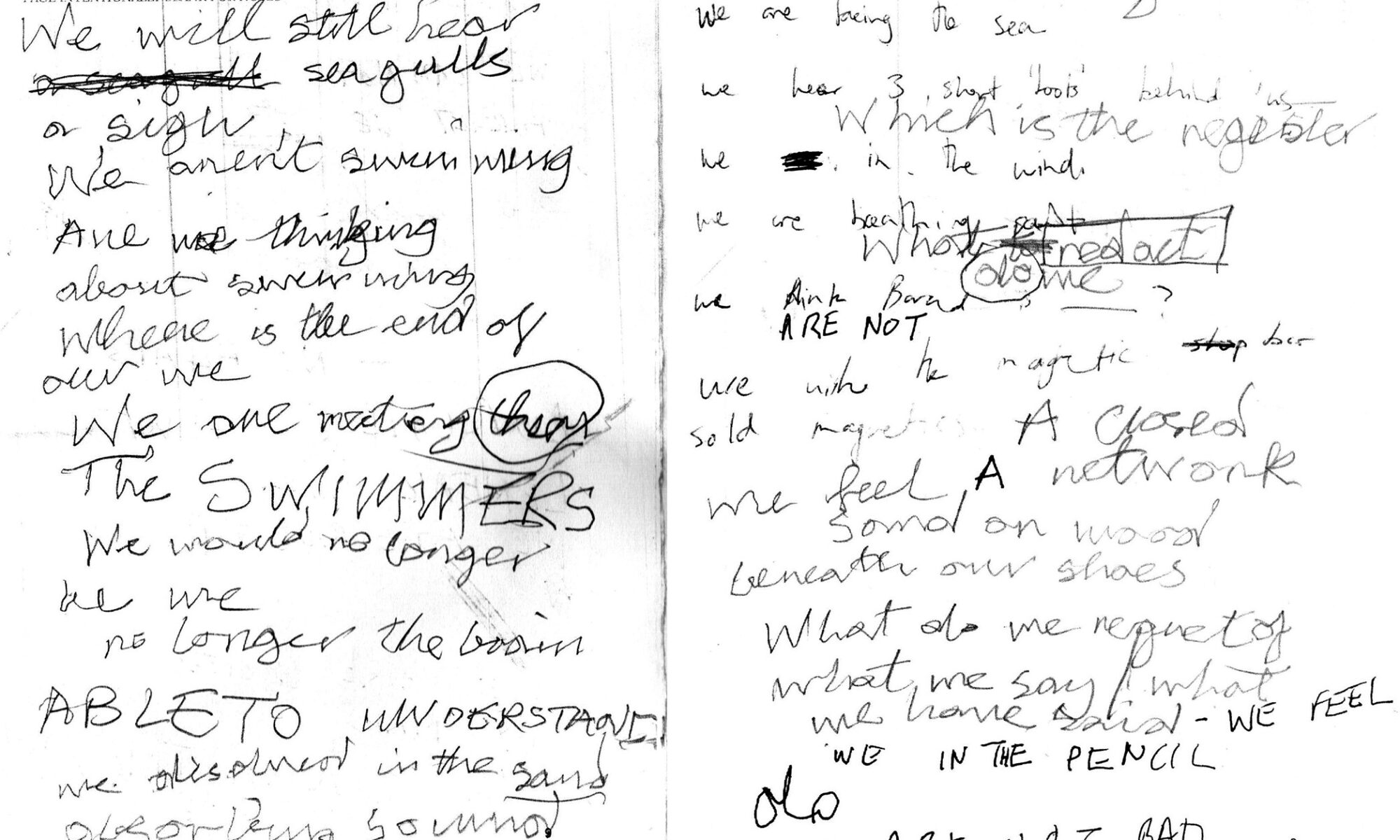
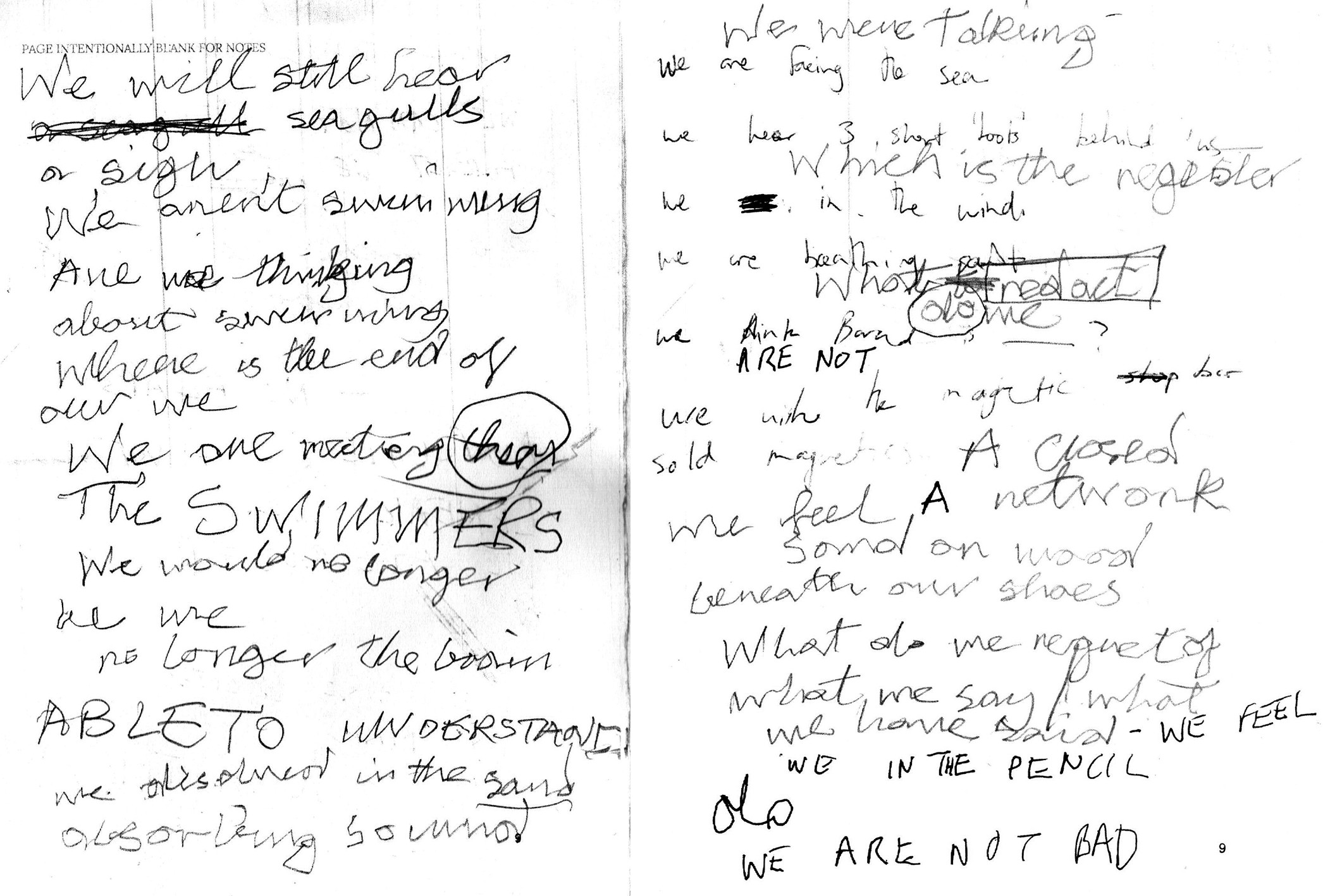
Walking Questions workbook pages, 2026.
Walking Questions was a walking workshop developed by Benjamin Jenner and Ian Bottle for Listening Grounds II.
Listening Grounds
Listening Grounds was a two-part site-responsive collaboration between The Margate School of Art (TMS), Margate, United Kingdom and the École Supérieure d’Art Dunkerque (Esä), Dunkirk, France. Led by Amias Hanley and Melissa Ryke, the workshop brought together undergraduate and postgraduate Fine Art students and staff from both institutions to work collectively across coastal sites on either side of the English Channel.
In December 2025, participants from TMS of Art travelled by ferry across the English Channel to Dunkirk, where they joined students and staff at Esä to undertake site-responsive listening work at the Leffrinckoucke bunkers situated in the Dewulf Dune Nature Reserve and surrounding coastal landscape.
Two months later, students and staff from Esä Dunkirk made the return crossing to Margate, continuing this shared enquiry through fieldwork at the Denge Sound Mirrors in Lade Pits, part of the RSPB Dungeness Nature Reserve, and across sites along the Kent coastline. Moving between these locations, Listening Grounds unfolded as a transnational encounter into listening as a situated, embodied, and infrastructural practice.
Walking Questions
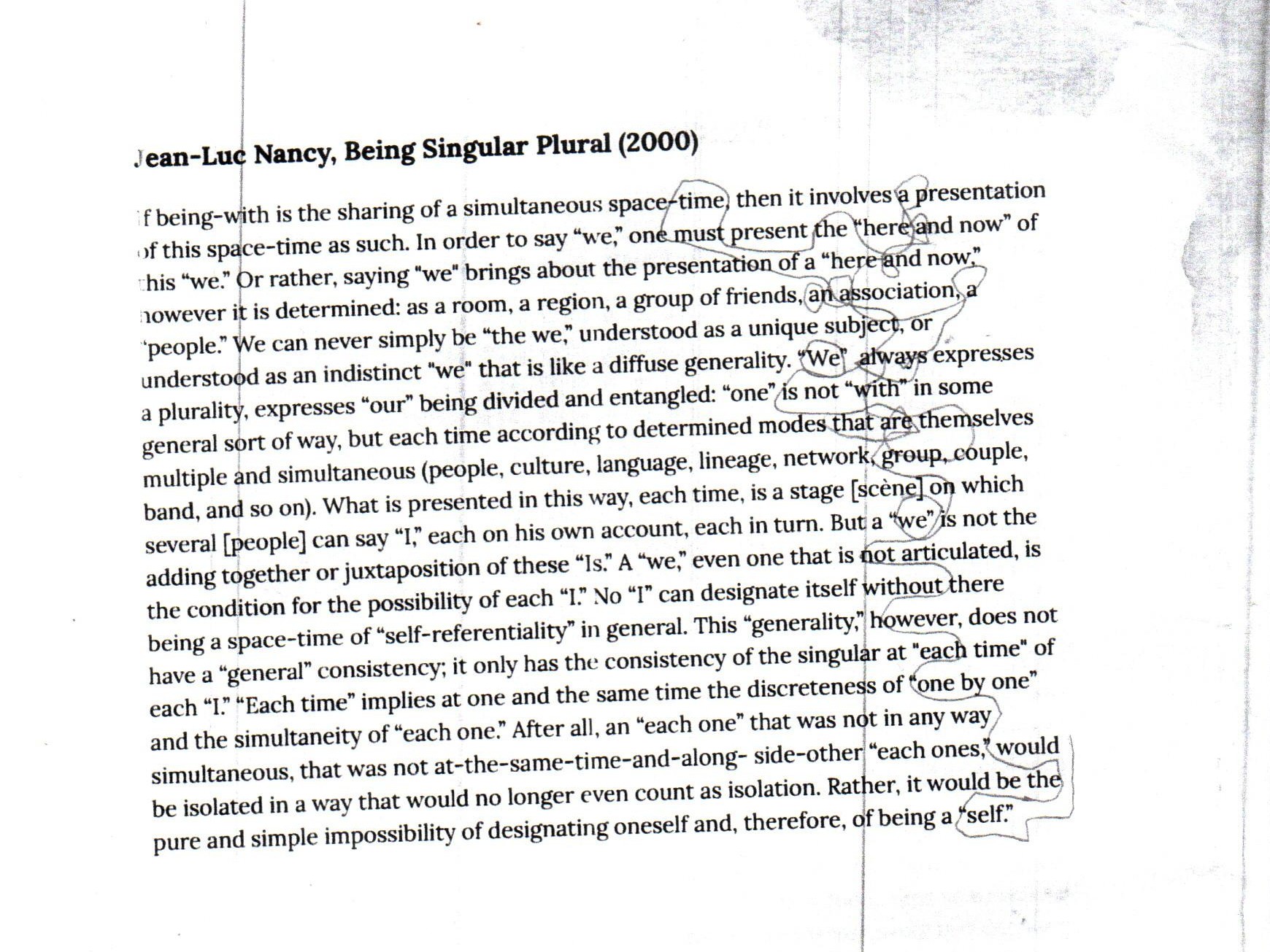
Jean-Luc Nancy, Being Singular Plural workshop extract with notation marks.
Walking Questions took place on 9 February 2026 between the hours of 14:30 – 16:30 in Broadstairs, Southeast Kent. Working with the idea of listening as a embodied, situated practice, the workshop asked how the act of listening might be distributed amongst multiple bodies, inviting consideration of the complexity of experience, the subtlety of interpretation, and the limitation of language to fill this perceptual gap.
Working with a short extract from Jean-Luc Nancy’s Being Singular Plural (available above), participants were asked to explore the town of Broadstairs in groups, discussing their experience as they went using the first person plural pronoun “we”. Observations on the experience were recorded in workbooks by way of keywords. As the walk progressed, workbooks were exchanged between group members facilitating the recycling of words for further discussion and the redaction, repetition and annotation of words in the workbook in line with new or nuanced interpretations of the experience. How, the workshop asked, is listening facilitated and/or prevented by distributing responsibility for its implications; how is that responsibility represented in/on/through the inscription of words that mark positions and order (constrain?) their affects? The workbook pages form the visual backdrop to the short essay Walking Questions that is available in both English and French in the Listening Grounds publication (pp. 38-49), below.
Listening Grounds publication